
Professional Stone Restoration Services
"Limestone, Renaissance stone, Cultured stone, Sandstone, Terra Cotta are different types of stone facades that Arrow repairs and replaces."
Chicagoland Tuckpointing And Masonry Repair
Servicing all your masonry restoration needs while preserving your building's cosmetic appeal...
Our Services Include:
Tuckpointing
Masonry Restoration
Brick Repair
Stone Restoration
Lintel Replacement
Panel Brick Repair
Chimney Repair
Caulking
Waterproofing
Power Washing
Professional Stone Restoration Services
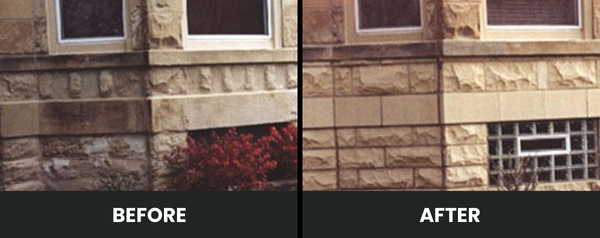
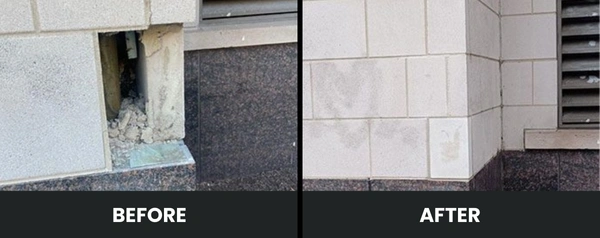
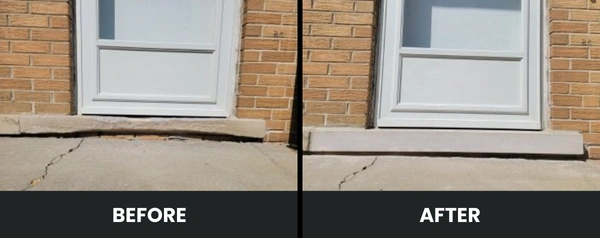
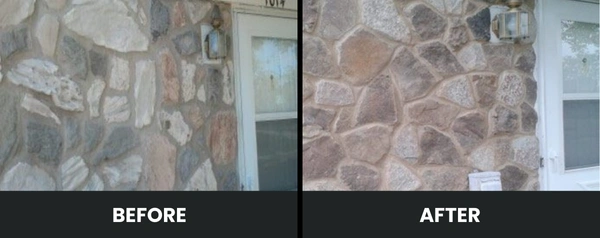
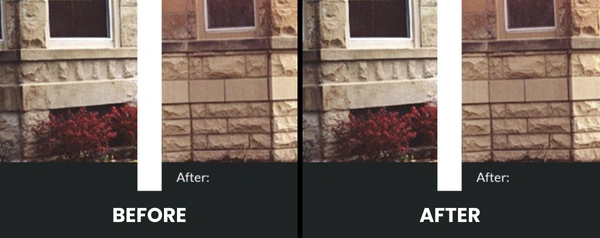
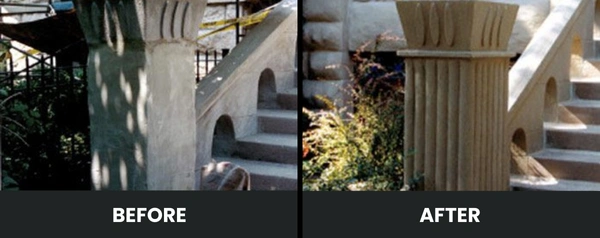
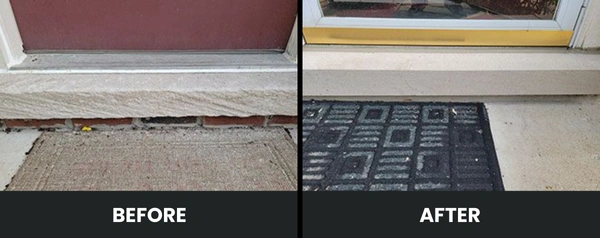
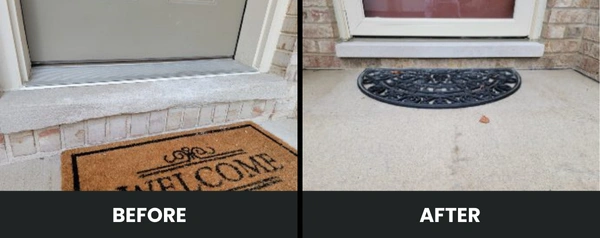
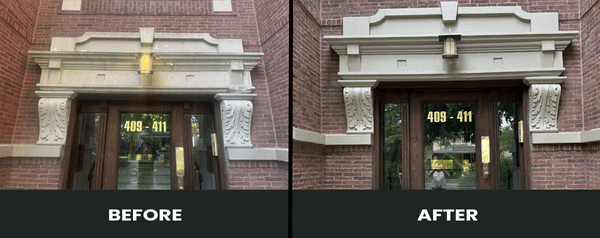
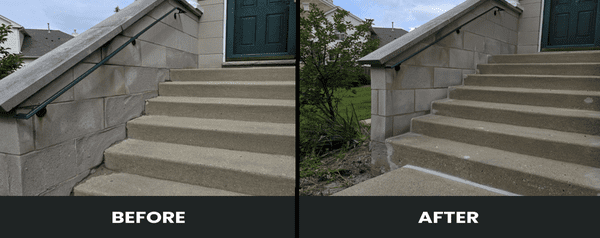
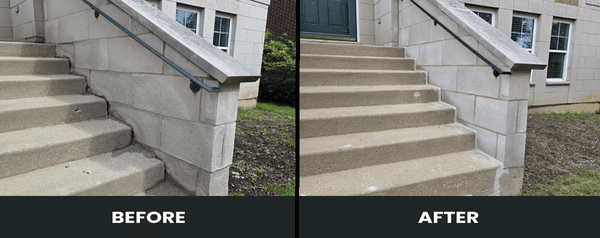
Expert Restoration for Natural Stone Masonry
Stone restoration preserves and repairs limestone, sandstone, granite, and other natural stone elements that give buildings their character and architectural distinction. Whether you're dealing with weathered stone facades, damaged ornamental details, or deteriorating stone foundations, professional restoration protects these irreplaceable materials while maintaining their historic beauty.
Stone requires different techniques and expertise than brick. Our masons understand stone's unique properties and how to work with each type properly.
Types of Stone We Restore
Limestone
Limestone is soft, sedimentary stone common in Chicago-area buildings. It:
- Carves beautifully for ornamental details
- Weathers and deteriorates over time
- Absorbs water easily
- Requires gentle restoration methods
Common issues: Surface erosion, spalling, biological growth, previous bad repairs.
Sandstone
Sandstone is porous sedimentary stone found in many historic buildings. It:
- Varies widely in hardness and durability
- Shows distinctive layered patterns
- Suffers badly from freeze-thaw damage
- Often needs replacement rather than repair
Common issues: Severe spalling, delamination, missing pieces, complete breakdown.
Granite
Granite is hard, igneous stone used for foundations, accents, and commercial buildings. It:
- Resists weathering extremely well
- Rarely needs replacement
- Can crack from structural movement
- Requires diamond tools to work with
Common issues: Cracks, surface staining, failed joints, settlement damage.
Marble
Marble is metamorphic stone sometimes used for decorative elements. It:
- Polishes to beautiful finish
- Etches from acid rain and pollution
- Softens in Chicago weather
- Needs specialized cleaning and care
Common issues: Surface etching, staining, structural cracks, weathering damage.
Cast Stone
Cast stone is manufactured stone used from 1920s-1960s. It:
- Mimics natural stone appearance
- Deteriorates faster than natural stone
- Often requires complete replacement
- Difficult to match when replacing
Common issues: Total breakdown, spalling, structural failure.
Common Stone Problems
Surface Erosion and Weathering
Natural stone gradually wears away from:
- Acid rain and air pollution
- Freeze-thaw cycles
- Wind-driven rain
- Biological growth (algae, lichen)
What happens: Fine details disappear, surfaces become pitted, stone loses definition.
Spalling and Delamination
Stone breaks apart in layers when:
- Water penetrates and freezes
- Natural bedding planes separate
- Poor-quality stone was used originally
- Previous repairs fail
What happens: Surface layers flake off, structural integrity weakens, damage accelerates.
Cracks and Structural Damage
Stone cracks from:
- Building settlement or movement
- Thermal expansion and contraction
- Failed lintels or structural supports
- Impact damage
What happens: Water infiltrates cracks, freeze-thaw damage worsens cracking, pieces may fall.
Mortar Joint Failure
Mortar joints around stone fail from age and exposure:
- Joints crack and crumble
- Water gets behind stone
- Stone becomes loose or unstable
- Individual stones may fall out
Previous Bad Repairs
Old repairs often cause problems:
- Hard portland cement patches trap moisture
- Wrong materials damage original stone
- Improper techniques fail quickly
- Unsightly patches detract from appearance
Our Stone Restoration Process
1. Assessment and Analysis
We evaluate:
- Stone type and condition
- Extent of damage
- Structural soundness
- Historical significance
- Appropriate repair methods
- Whether repair or replacement is needed
Stone restoration requires different skills than brick repair. We assess each situation carefully.
2. Testing and Planning
For significant projects:
- Mortar analysis to match historic materials
- Stone testing to determine properties
- Mock-ups of repair techniques
- Approval process for historic buildings
- Detailed specifications
3. Careful Cleaning
Stone must be cleaned gently:
- We use appropriate methods for each stone type
- Low-pressure washing for most stone
- Chemical cleaning when appropriate
- Never sandblasting (destroys stone surface)
- Biological growth removal
4. Repair or Replacement
For repairable stone:
- Stabilize loose or damaged areas
- Fill cracks with compatible materials
- Replace missing sections with dutchmen (stone inserts)
- Consolidate weak stone with appropriate treatments
- Tuckpoint with lime-based mortars
For stone requiring replacement:
- Match stone type, color, and texture
- Cut new stone to proper dimensions
- Install with appropriate mortar and techniques
- Integrate with existing masonry
- Tool joints to match existing work
5. Protective Treatments
When appropriate:
- Consolidants to strengthen weak stone
- Water repellents that allow stone to breathe
- Sacrificial coatings for soft stone
- Nothing on stone that doesn't need treatment (less is more)
6. Final Details
- Clean excess mortar
- Remove staining from adjacent materials
- Verify color and texture match
- Document completed work
- Provide maintenance recommendations
Stone Repair vs. Replacement
When Stone Can Be Repaired:
- Minor surface erosion
- Small cracks or chips
- Loose but intact stones
- Missing ornamental details
- Failed mortar joints only
Repair methods:
- Stone consolidation
- Dutchman repairs (inserting new stone pieces)
- Pinning cracked sections
- Repointing
When Stone Needs Replacement:
- Severe spalling or delamination
- Structural damage
- Complete breakdown
- Stone beyond consolidation
- Safety hazards
Why replacement is necessary:
- Repairs won't restore structural integrity
- Deterioration continues despite treatment
- Repaired stone won't last
- Safety requires solid material
Historic Stone Considerations
For historic buildings, we follow preservation principles:
- Replace only what's necessary
- Match original materials and methods
- Document all work
- Use reversible techniques when possible
- Meet Secretary of Interior Standards
Stone Matching Challenges
Why Stone Matching Is Difficult:
Quarries close: Original quarries are often closed. Stone from the same location but 100 years later looks different.
Natural variation: Even stone from the same quarry varies in color, texture, and properties.
Weathering: Your existing stone has decades or centuries of weathering. New stone stands out initially.
Cost: Natural stone is expensive. Matching historic stone can be very expensive.
Our Matching Approach:
- Identify original quarry if possible
- Source from active quarries with similar stone
- Use salvaged stone from demolished buildings for historic work
- Create dutchmen from closely matched stone
- Blend new stone to minimize visual impact
- Set realistic expectations about matching
New stone will look different initially. It weathers over time to blend better, though this takes years, not months.
Historic Stone Restoration
Historic stone requires special care:
Preservation Standards:
- Secretary of Interior Standards compliance
- Local historic district requirements
- Appropriate materials and methods
- Minimal intervention approach
Material Knowledge:
- Understanding original construction methods
- Using compatible lime mortars
- Matching historic stone types
- Preserving distinctive features
Craftsmanship:
- Traditional stone carving when needed
- Period-appropriate tooling marks
- Authentic joint profiles
- Respect for original details
We've restored stone on buildings dating to the 1800s, always respecting their historic character.
Related Services
Stone restoration often involves:
- Tuckpointing - Mortar joints around stone
- Masonry Restoration - Complete building restoration
- Brick Repair - Adjacent brick elements
- Lintel Replacement - Stone lintels or supports for stone
- Waterproofing - Protective treatments for stone
- Power Washing - Gentle stone cleaning
- Caulking - Sealing stone joints and details
Common Questions
Can all stone be repaired? No. Severely deteriorated stone needs replacement. We assess whether repair is viable or replacement is necessary.
How do you match stone color? We source from multiple suppliers, use salvage when appropriate, and blend stones for best results. Perfect matches are rare.
Can you carve replacement stone? For ornamental details, we can carve replacement stone or work with specialized stone carvers for complex work.
What about stone cleaning? We use gentle methods appropriate for each stone type. Never sandblasting, which destroys stone surfaces.
How long does stone restoration last? Well-done stone restoration can last 50-100+ years depending on stone type, exposure, and maintenance.
Do you work on stone foundations? Yes, we restore stone foundations, though methods differ from above-grade work.
Why Choose Arrow Masonry
Stone Expertise
Stone requires different knowledge than brick. Our masons understand stone properties, appropriate methods, and proper materials.
Historic Experience
We've worked on Chicago-area historic buildings for decades. We know local stone types and historic construction methods.
Quality Materials
We use appropriate materials for stone restoration, including lime mortars, compatible consolidants, and properly matched stone.
Complete Service
We handle all aspects of stone restoration, from assessment to tuckpointing to waterproofing.
See our stone restoration work and read customer reviews.
Get Your Free Stone Assessment
We'll evaluate your stone, explain your options, and provide a detailed restoration proposal.
Call: (847) 776-6400
Serving Chicagoland with professional stone restoration services.
Learn more about Arrow Masonry.
Professional stone restoration since 1972. Preserving Chicago's architectural heritage.
Arrow’s Stone Restoration Services Include:
- Replacement of Spalling or Disintegrating Stone
- Resetting of Displaced or Dislodged stone
- Patching of Stone
- Capstone/Clay Coping Replacement
- Stone Sill Resetting/Replacement
- Power washing of Stone